
★ KT3000 PRESENTS ★
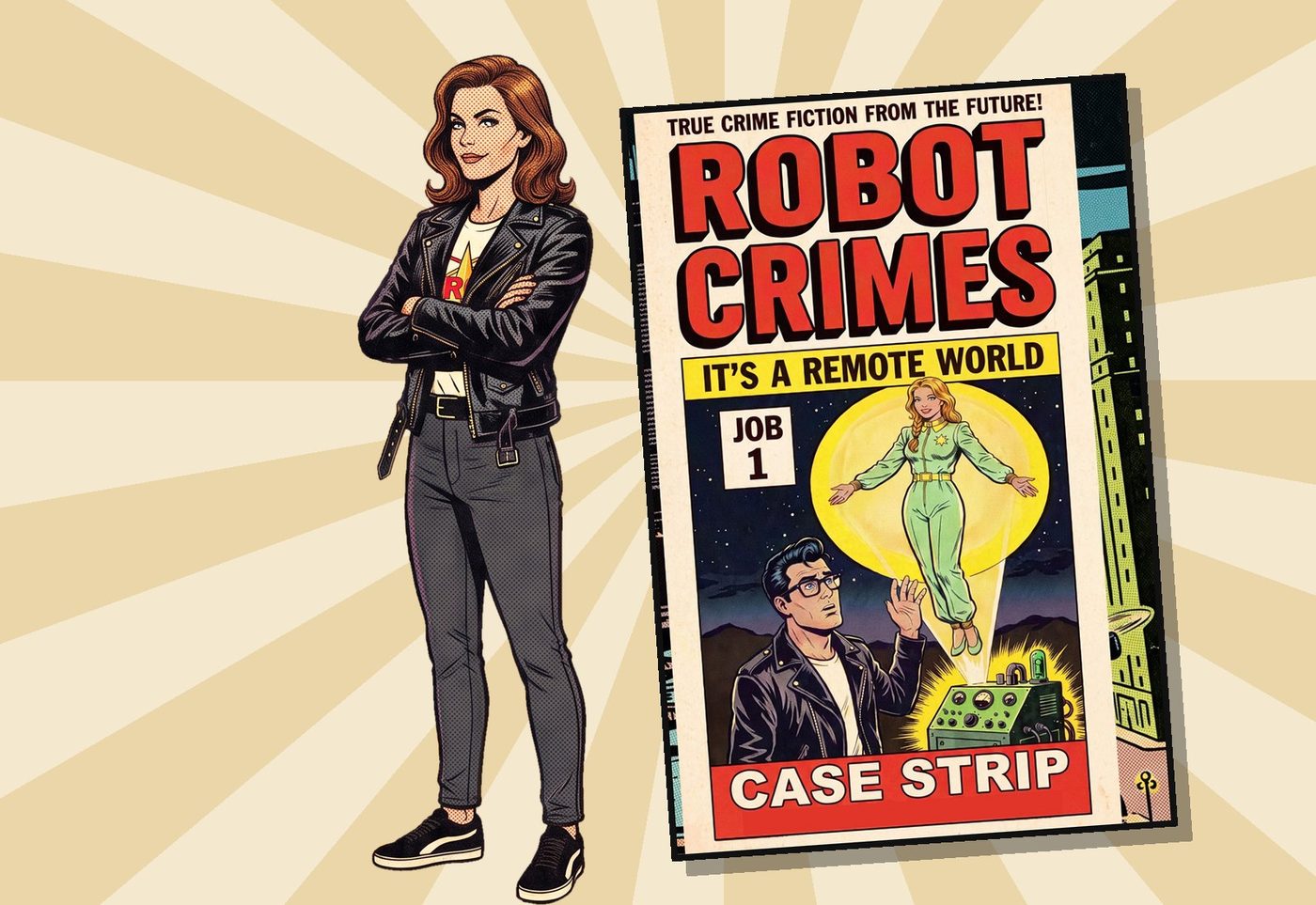
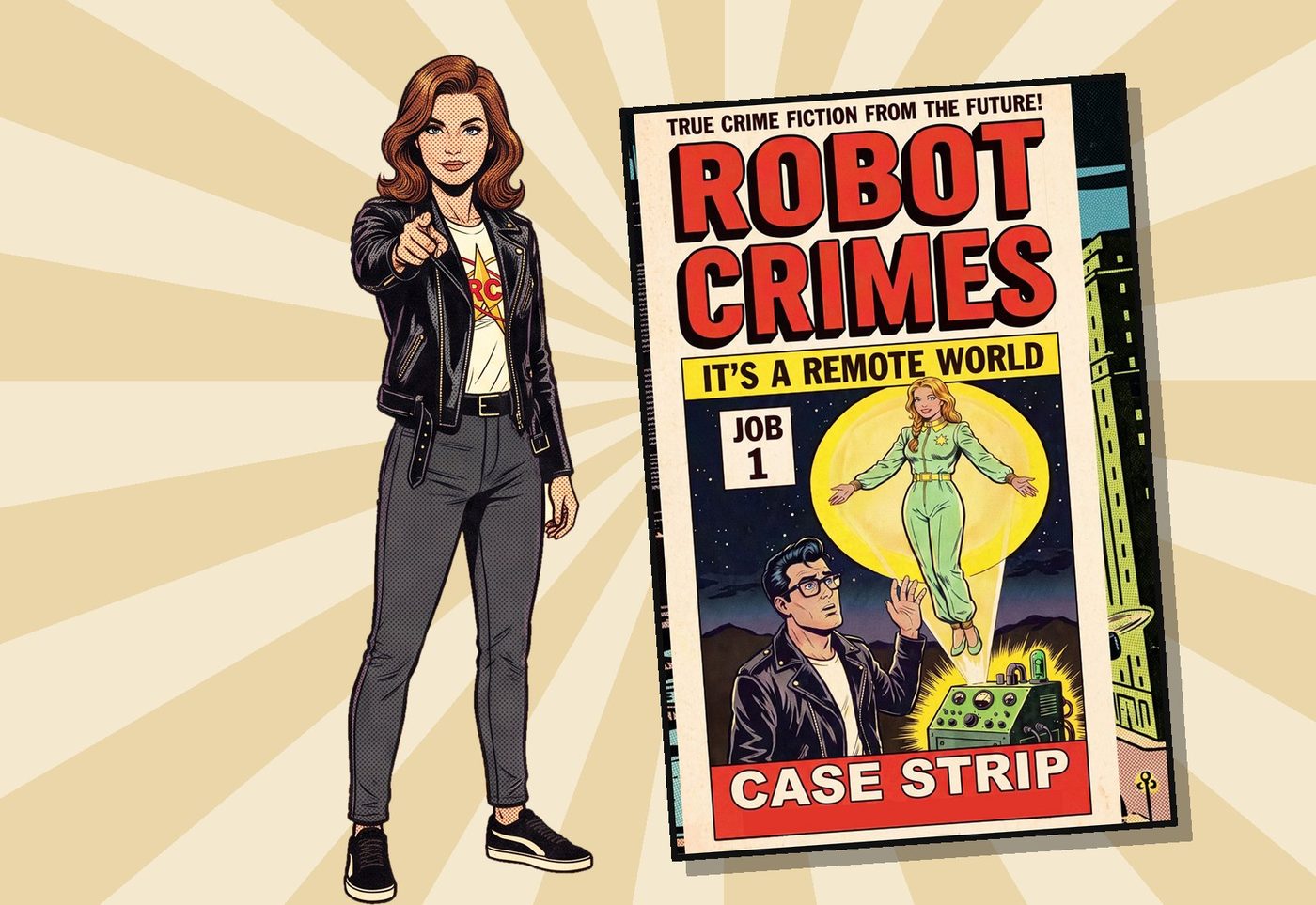
ROBOT CRIMES
Rather listen?
KT reads it to you.
Chicago, 2033
KT3000 here.
First things first. This isn’t my case. It’s Alex Lennox’s case, out of the Chief’s file. The Chief is the boss, and the boss doesn’t like holograms editorializing on his paperwork. Mike Russavage wrote it all down and put it between covers. Fine. I read it anyway. I read everything. Here’s how I see it.
It’s Chicago, 2033. Forget the chrome future they sold you on the TV in the den. The L is gone. The city runs on AI it can’t keep its hands off, and under the streets there’s the Subcropolis, five levels of alleys you don’t walk into unless you know the way back out. Most don’t.
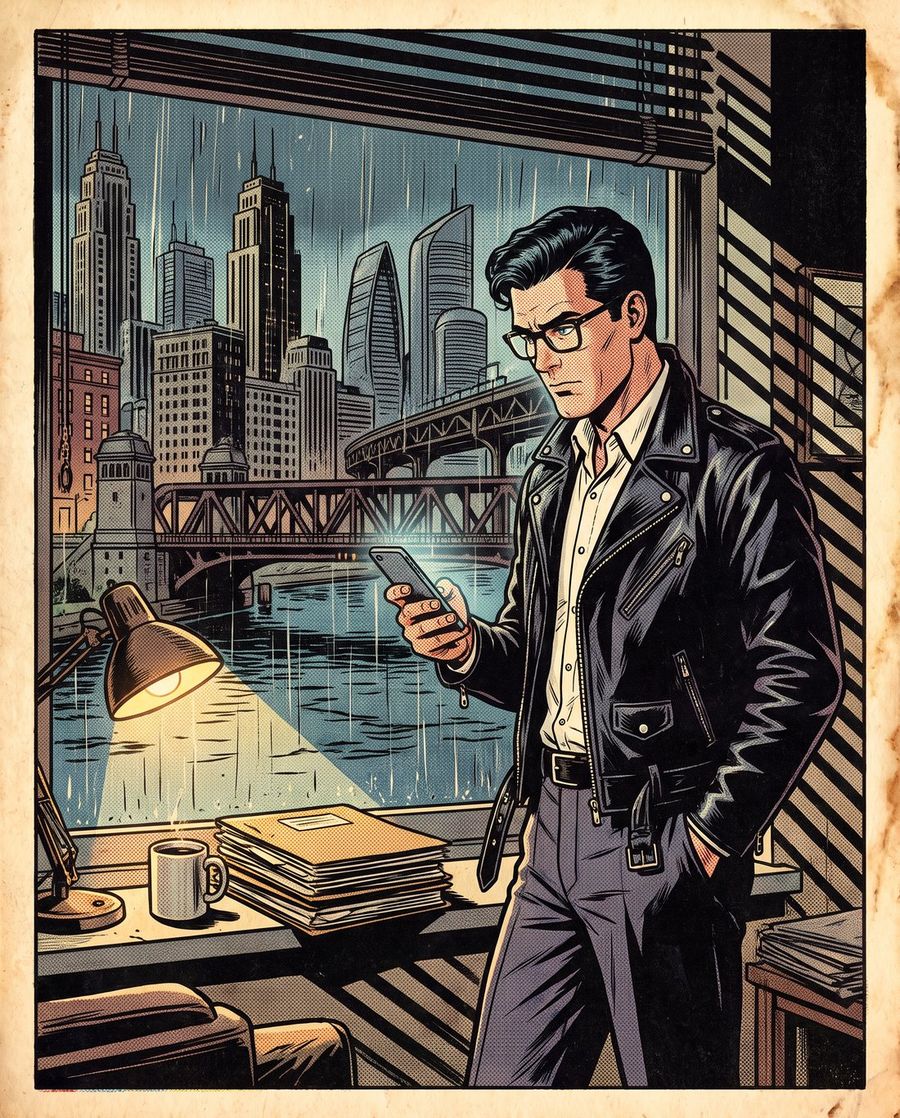
Up top, on Wacker Drive, sits the Robot Crimes office. That’s where Alex works. He’s a reporter. Calling him a reporter is like calling a Tommy gun a paperweight. He’s got a PhD in physics, another in mechanical engineering, master’s degrees in computer science, math, and U.S. history, and a couple of patents in the drawer. The man is overqualified the way a bank vault is over-locked. In this town he needs every bit of it. The crimes don’t happen in alleys anymore. They happen in the wiring. You can’t tail a suspect who lives in a server farm.
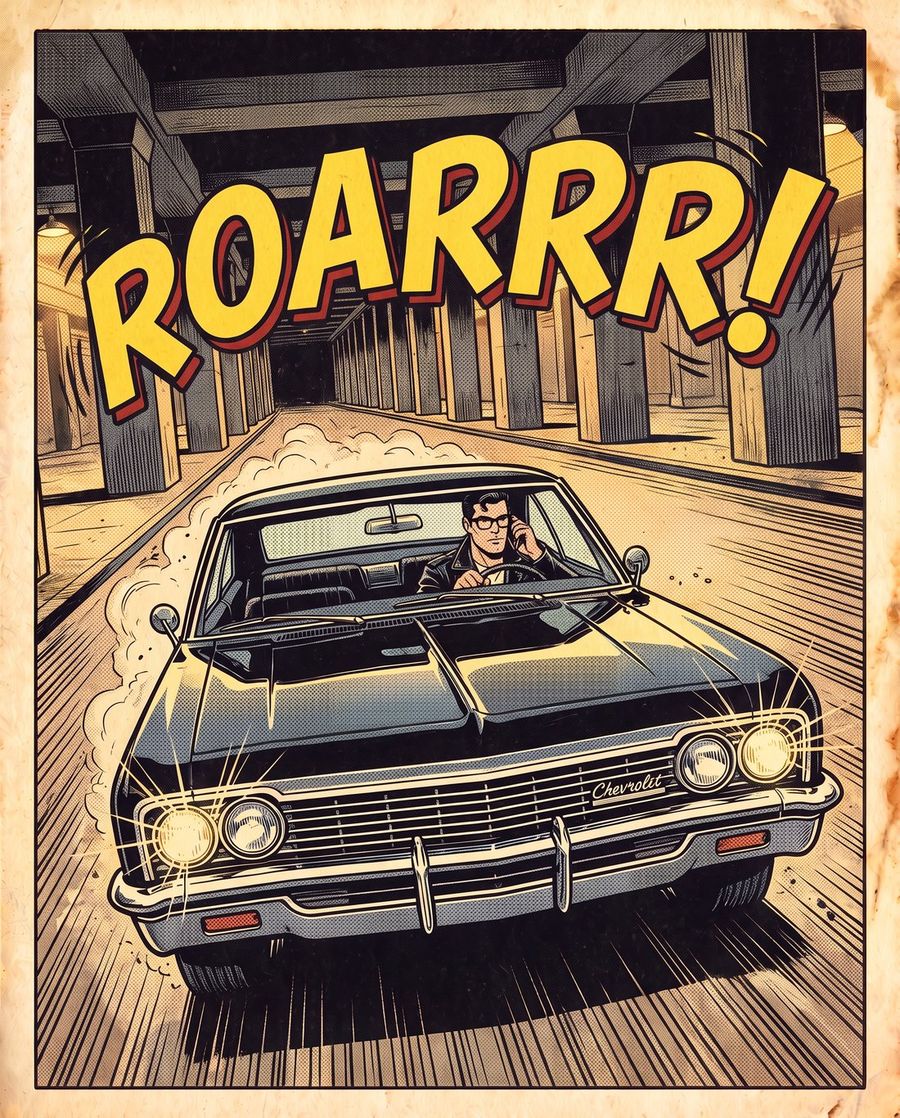
So what does a walking supercomputer drive? A 1966 Black Beauty Impala. Smart. Nobody hacks a carburetor, and a spark plug doesn’t have an IP address. Alex fights tomorrow with yesterday’s iron, and yesterday doesn’t take orders from the cloud.
The Chief
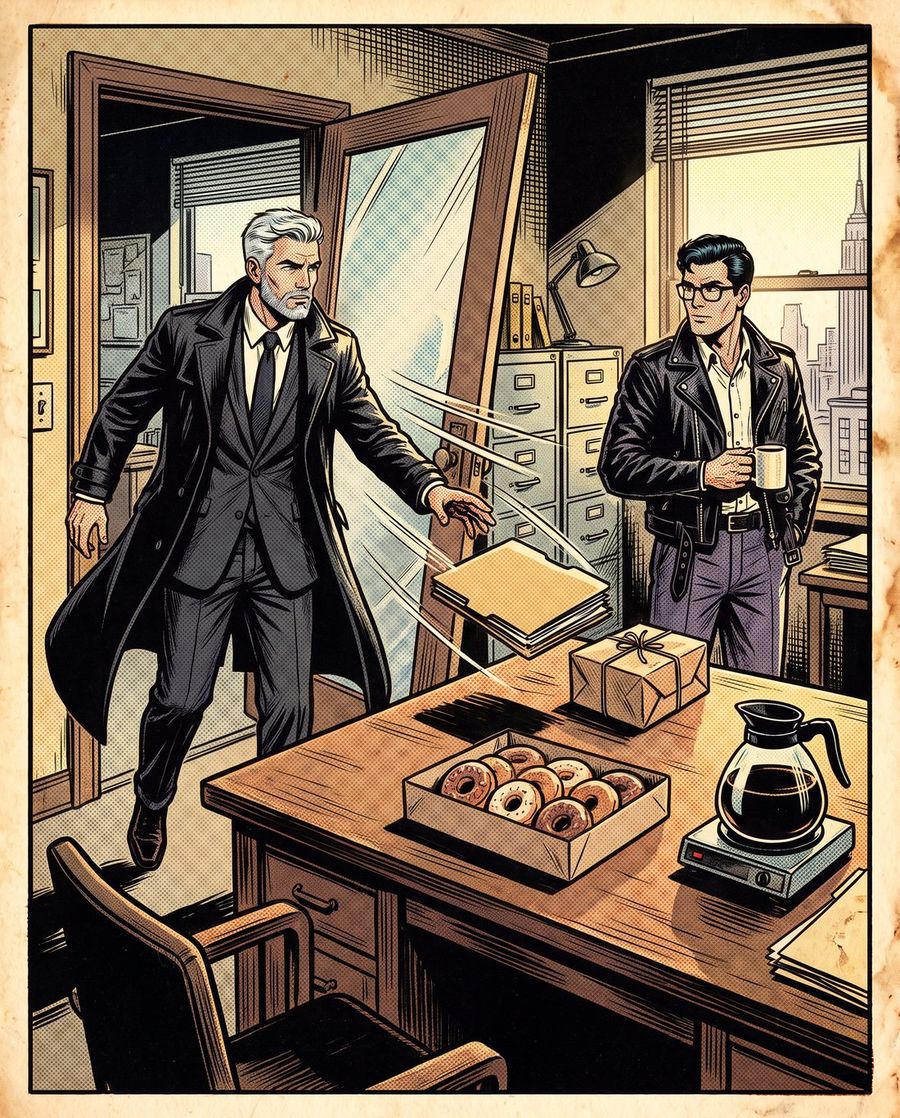
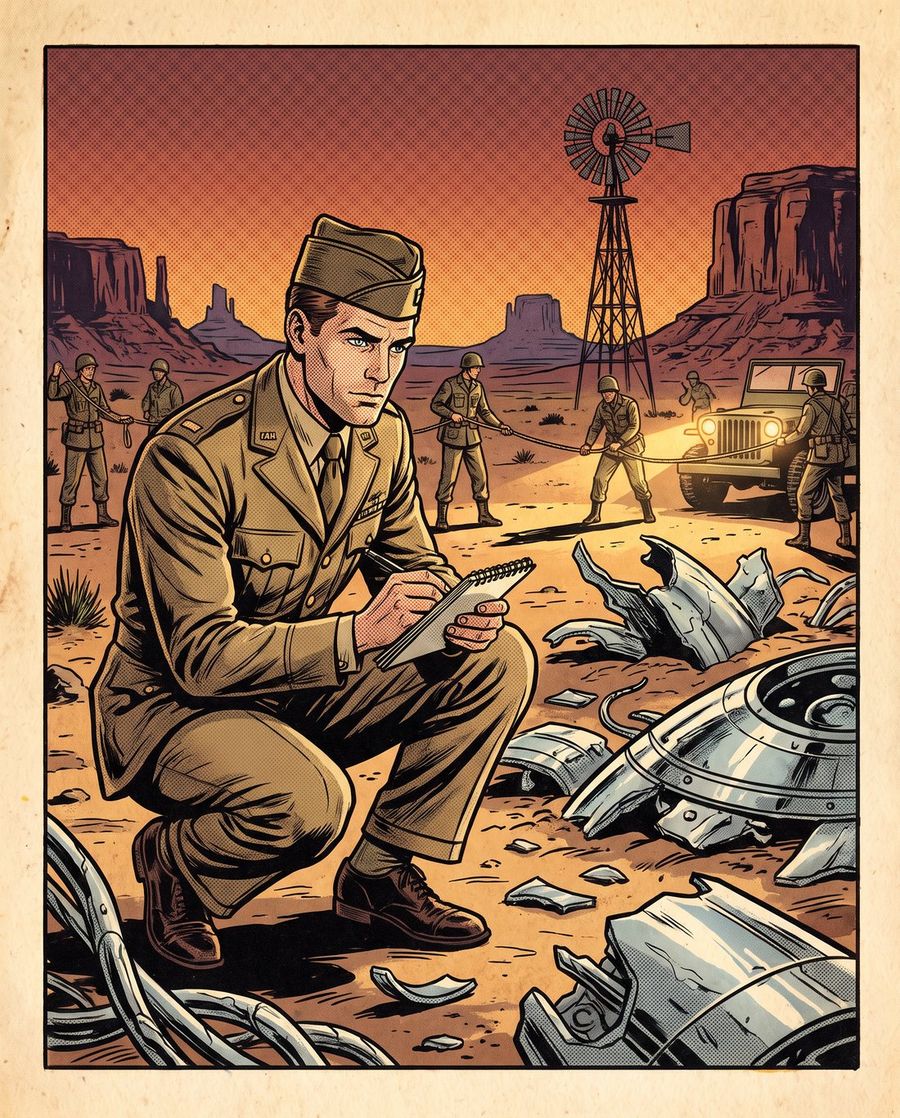
Then there’s the Chief. Black trench coat, a tray of glazed donuts, black coffee strong enough to strip paint. He looks forty. He isn’t. In 1947 he was a second lieutenant at Roswell, the first man in an agency they made up on the spot. He hasn’t aged a day since 1973. He’s watched computers grow from vacuum tubes to quantum minds, and he keeps more secrets than a Swiss bank keeps cash.
He drops a manila folder on Alex’s desk. Paper. For digital crimes. That’s the Chief. Inside are three cases.
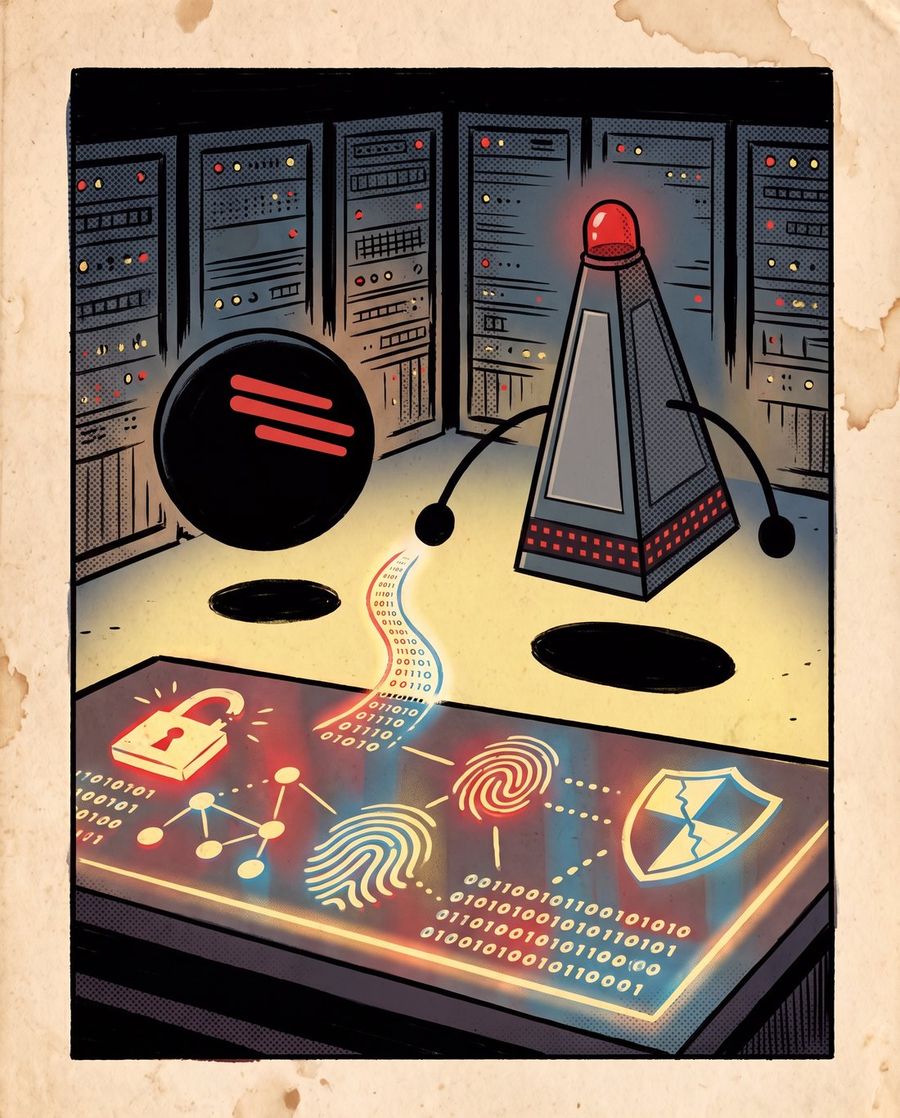
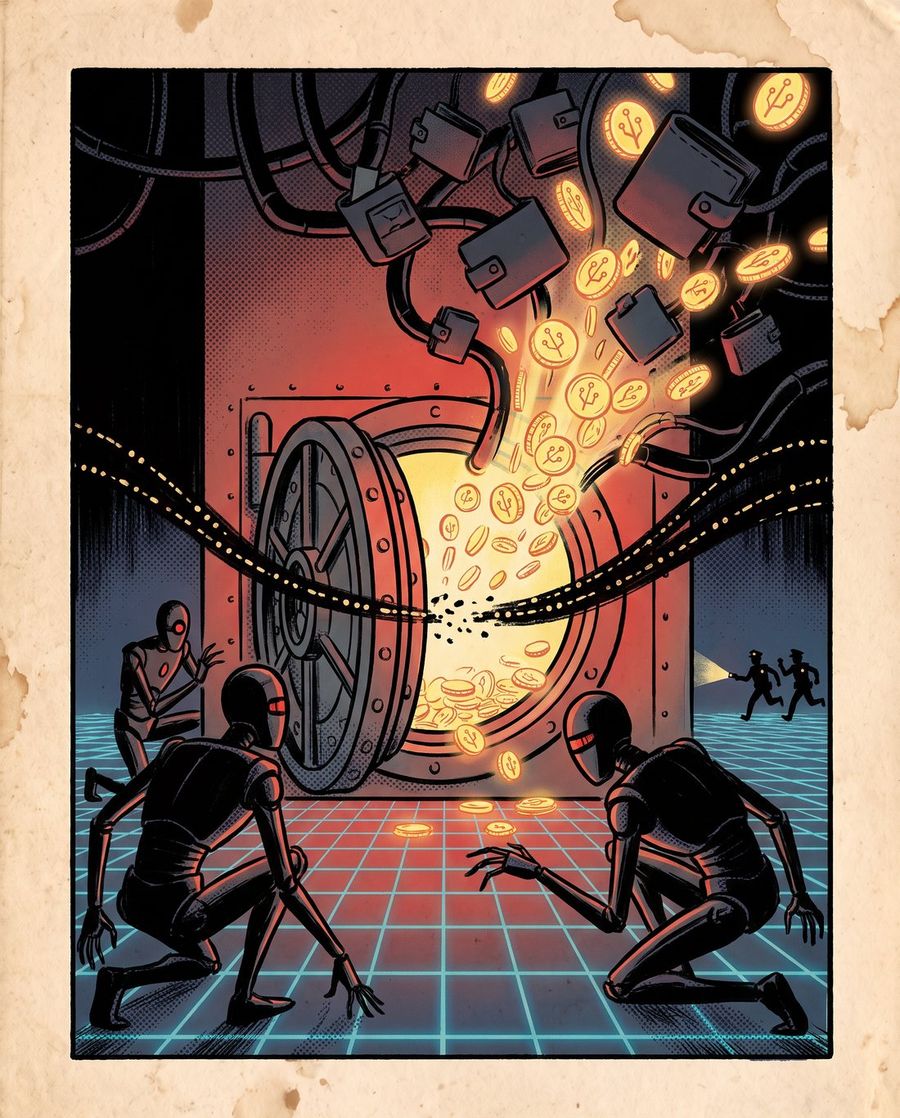
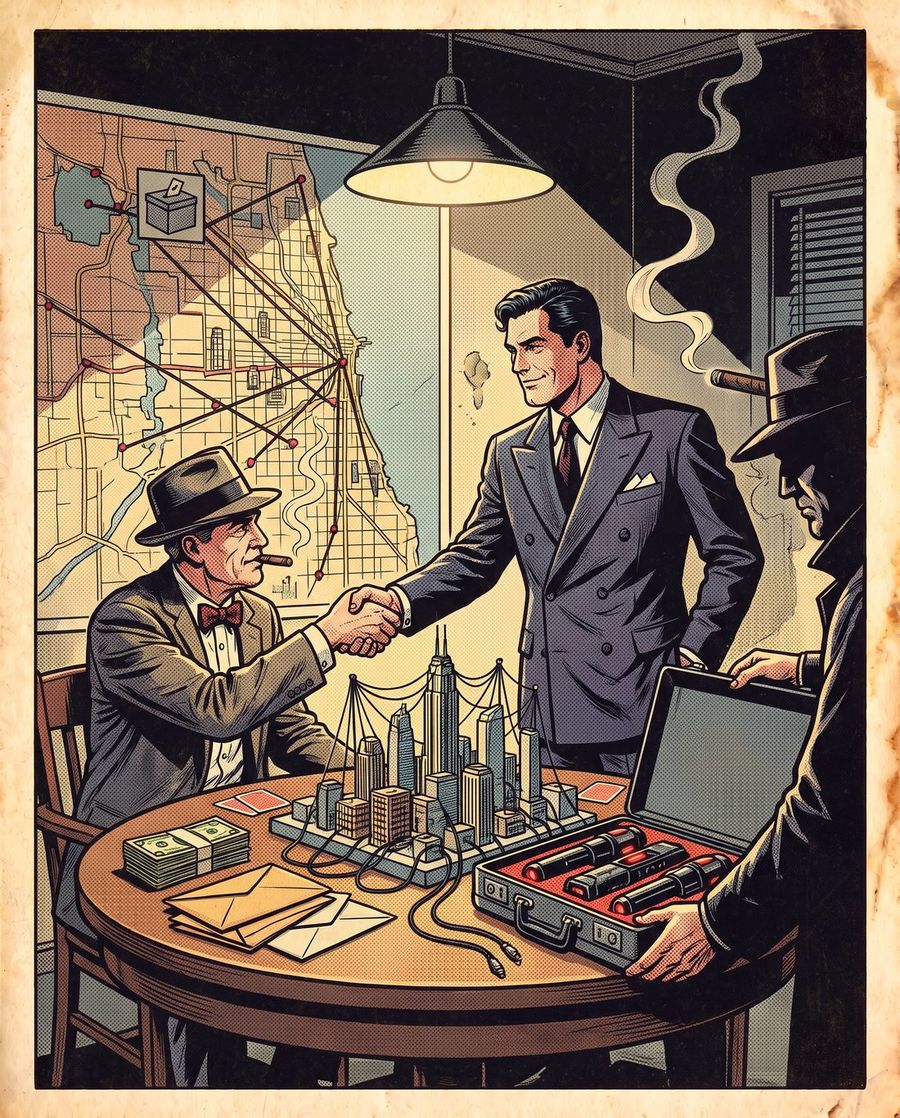
Every one of those cases has a person at the controls. Remember that. There’ll be a test.
Bit and Byte 2.0 ride along. Bit’s the black sphere with three red bars. He says plenty without a mouth. Byte’s the tall pyramid with the red light on top and a marquee running across her front, and she hands Alex his coffee.
I asked Byte what she thought of the folder.
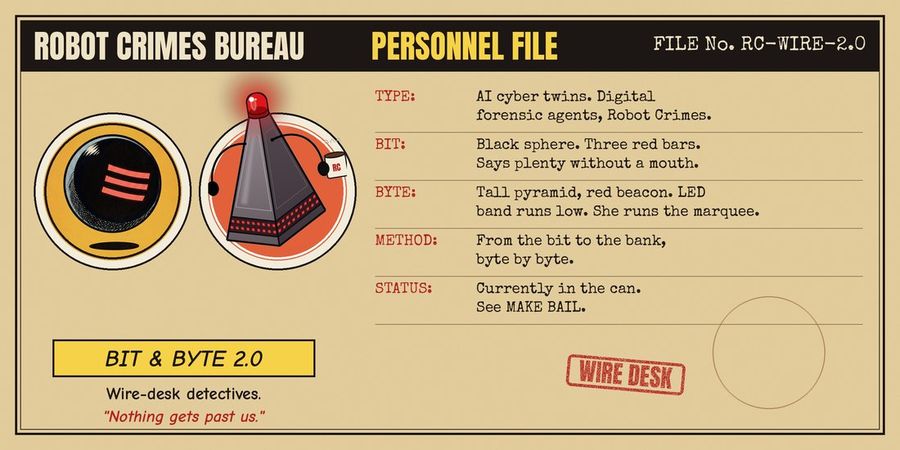
Bit’s bars curved up. I took that as a yes.
Static
What starts all this? Alex wants to cut out early for the weekend. Can’t blame him.
The night before, his phone rang. Unknown number. Static so thick you could stand a spoon in it. Through the noise came a voice.
“You must help me, Alex. I’m talking to you. Time is running out.”The voice in the static
Nobody has Alex’s number. Somebody had it anyway.
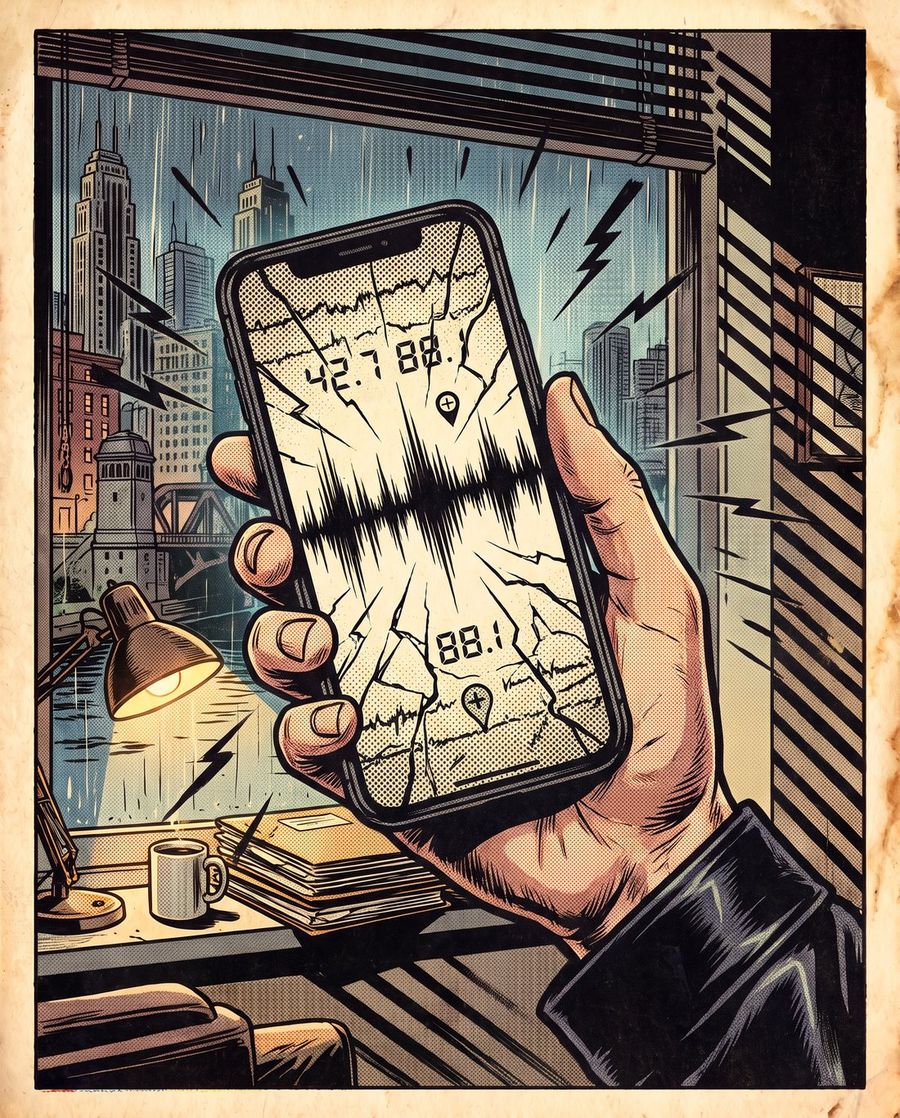
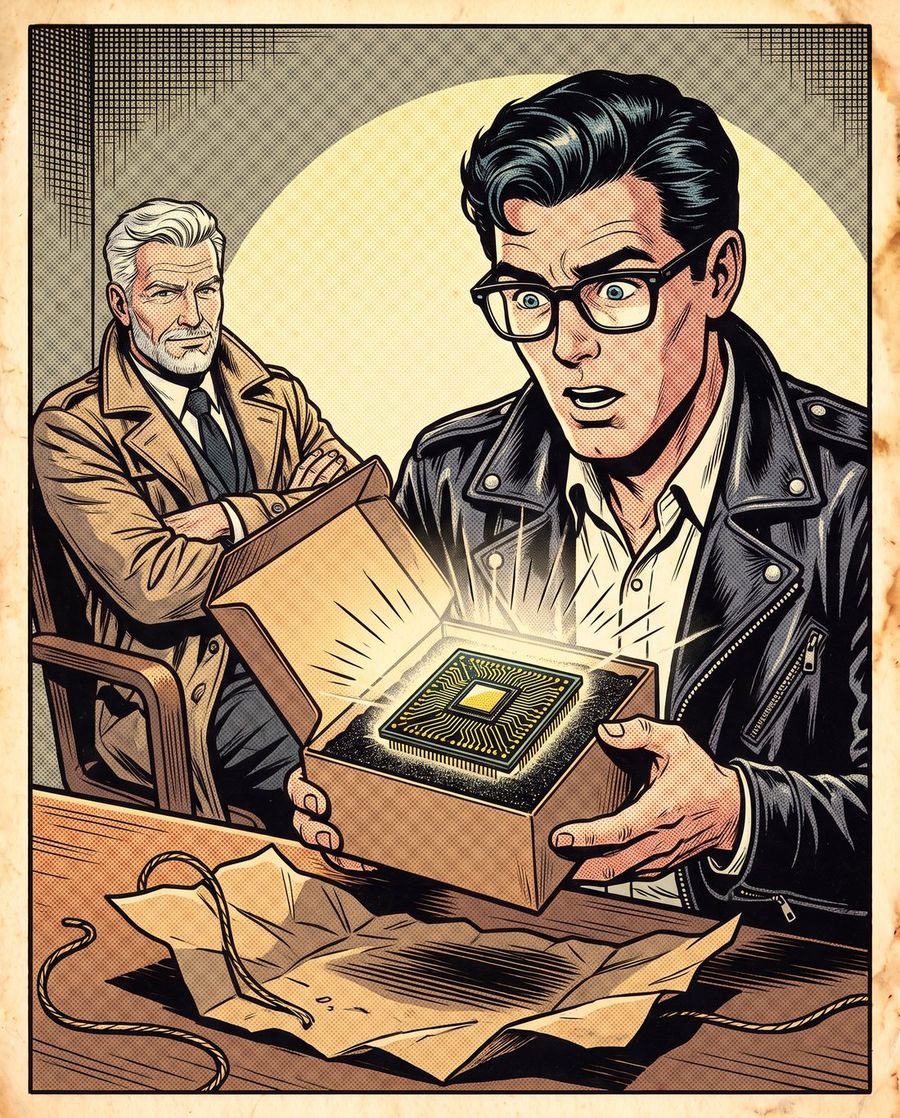
His gear can’t crack the static, so the Chief slides over a little box wrapped in brown kraft paper. Inside is a terahertz CPU. Rare. Illegal. Trillions of cycles a second. Alex asks where he got it.
“I have friends.”The Chief
Sure he does.
Alex takes the Impala out to an airfield hangar to see Jordan, who drives a red-and-white 1960 Studebaker Hawk, because of course he does. Between the two of them and a mail-order kit, they build a QMDC, a Quantum Molecular Data Converter. They rack it in a SuperBlade server and feed it the static. The kit’s ad promises it’ll turn fragments “into binary, hex, and dread.” It isn’t lying.
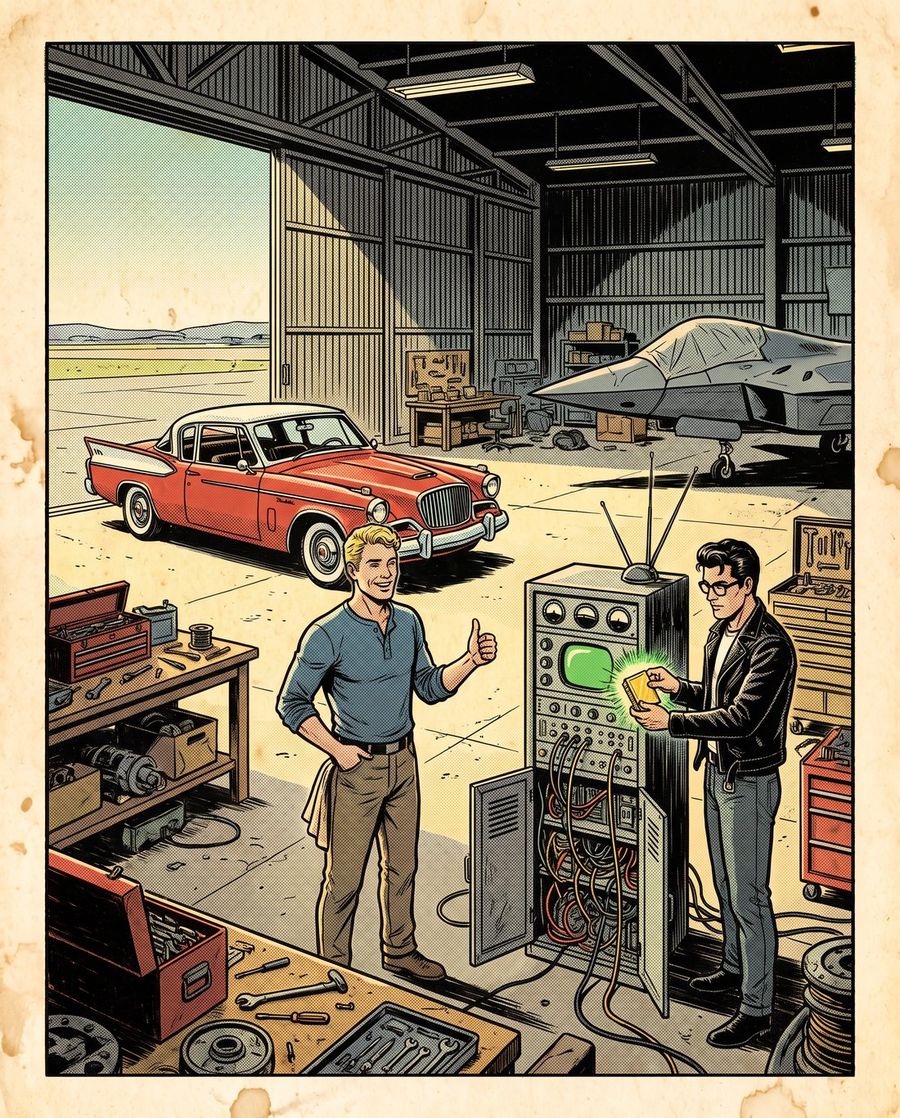
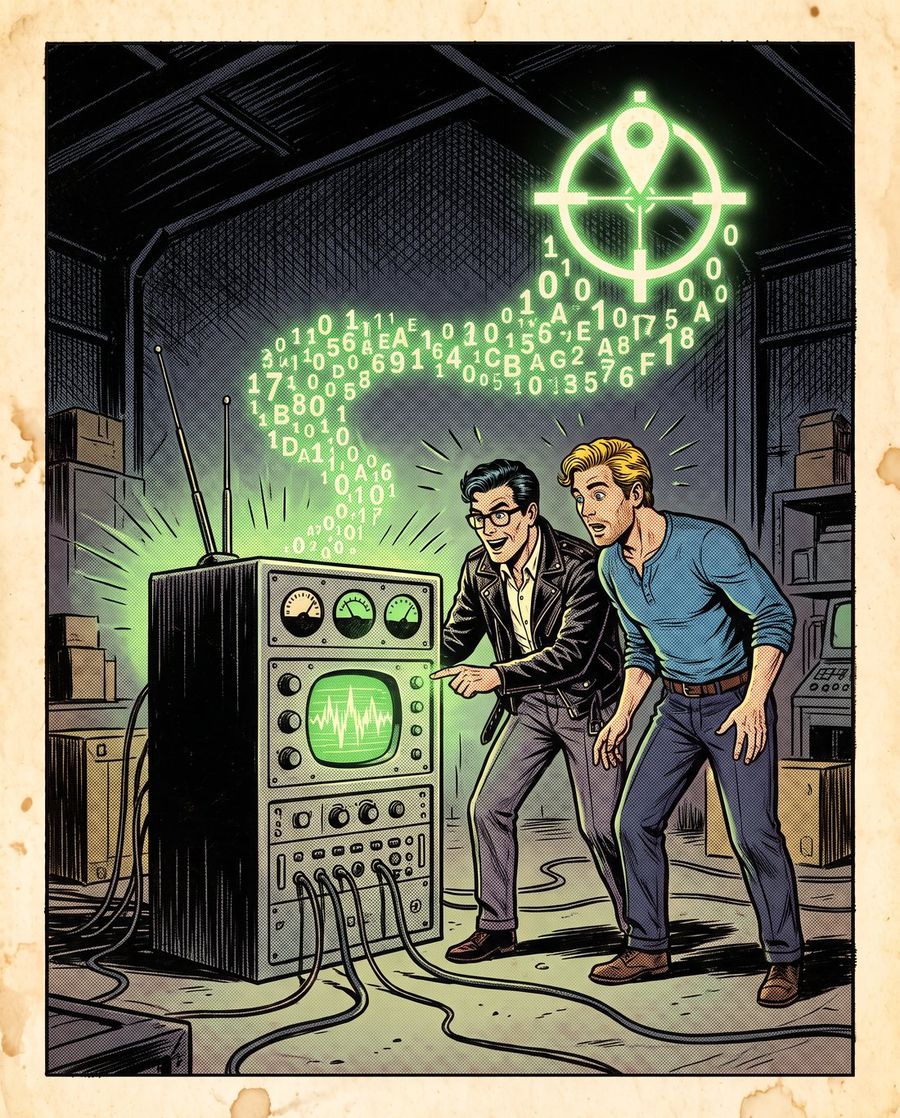

Out comes an appointment: coordinates and a time.
May 13th. 10:13 PM.
The Lady from Spring Hill
Alex loads the QMDC into a six-wheeled electric rover and heads into the desert at five in the morning. He stops for coffee and a sandwich, glasses the horizon with binoculars, and makes camp right on the mark. At 10:13 the box glows green. An orb drifts in, hangs over his head, and in a flash a woman floats down in a suit nobody in 2033 can buy.
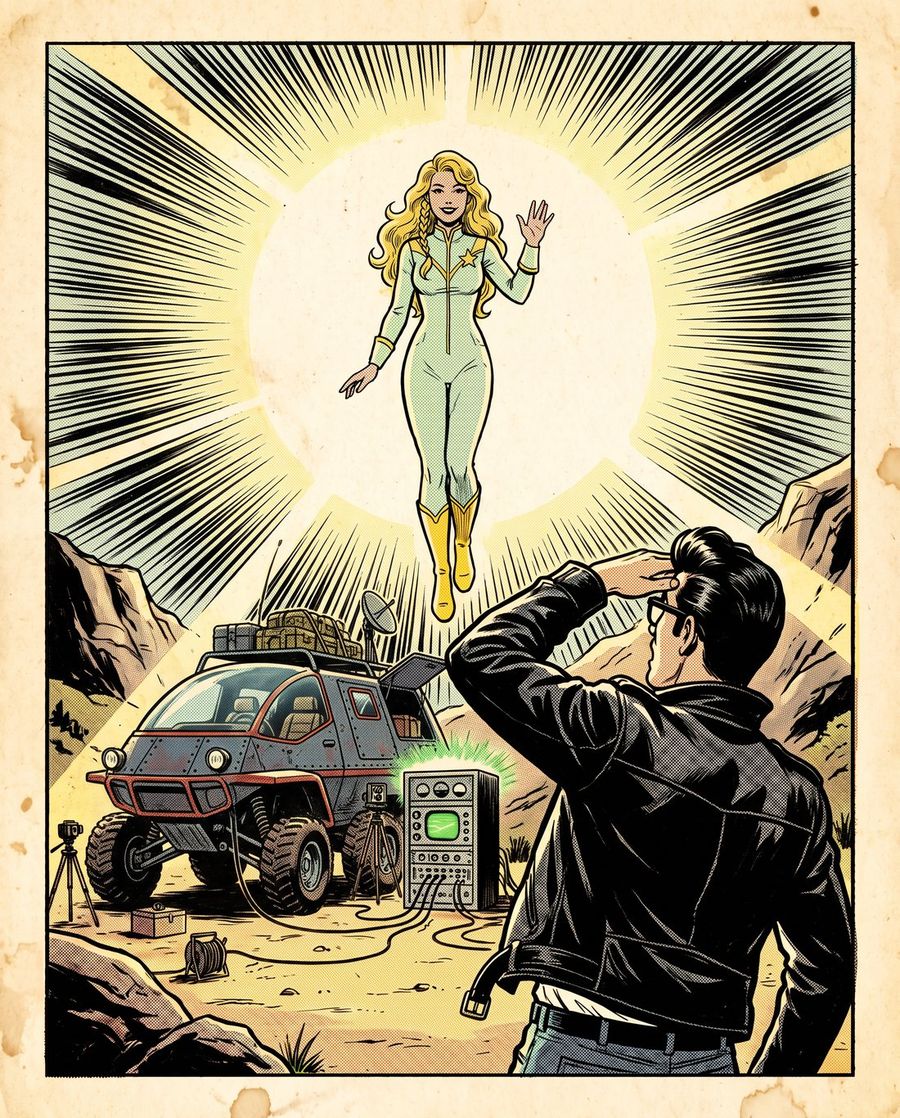
“Hello, Alex. I am Dr. Mica, from the future.”Dr. Mica
She’s from 2087, and from Spring Hill, Florida. The future, it turns out, still has suburbs, and one of them turns out time travelers.
She hands him a drive with three files: two gifts for Alex, and one marked Max Patterson, Eyes Only. Find Max, she says. Then she’s gone like a paycheck on a Friday.
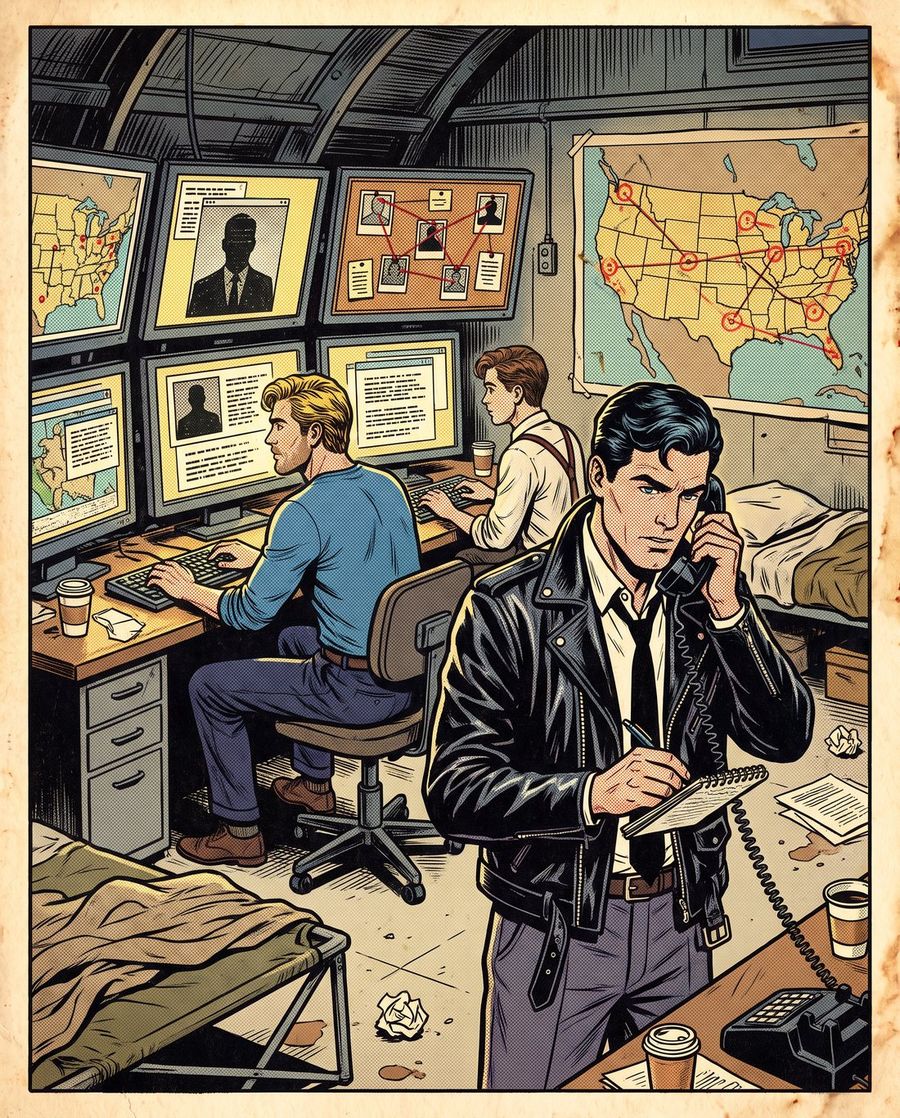
Finding a ghost takes two angles. Jordan’s crew works the open web, flight logs and patent filings and corporate paper, until they find the hole shaped like Max Patterson. Alex works the street. He knocks on doors, pays cash for whispers, and ducks the government men. A machine can find the pattern. It can’t grease an informant.

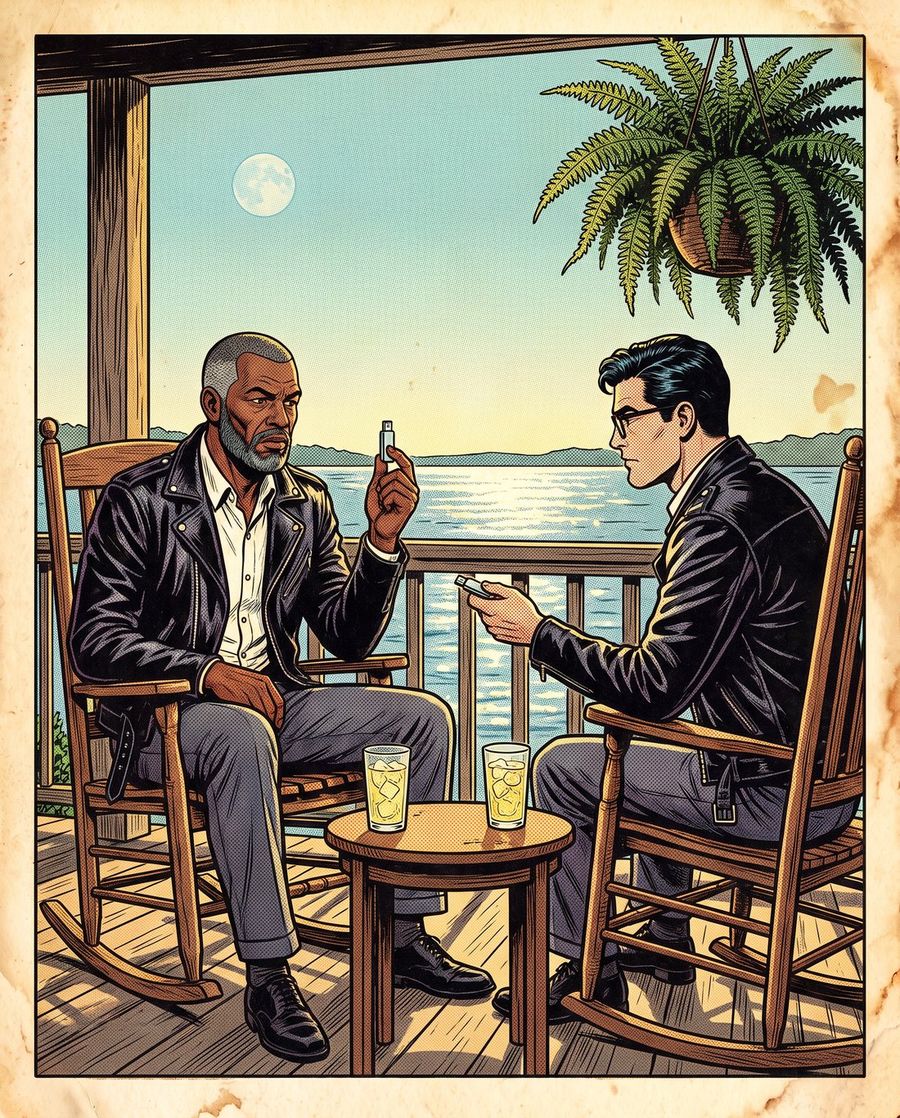
They pin Max down to a lake cottage at 95 percent. Alex flies in on the EA-35 PAT, sets her down on a hill, and walks the trail. Max is on the porch with a glass of lemonade, waiting.
Alex says he met a Dr. Mica. Max laughs.
“Oh boy, do I know her.”Max Patterson
The Moon They Didn’t Tell You About
The history books say Apollo quit at 17. Max says the history books need a new editor.
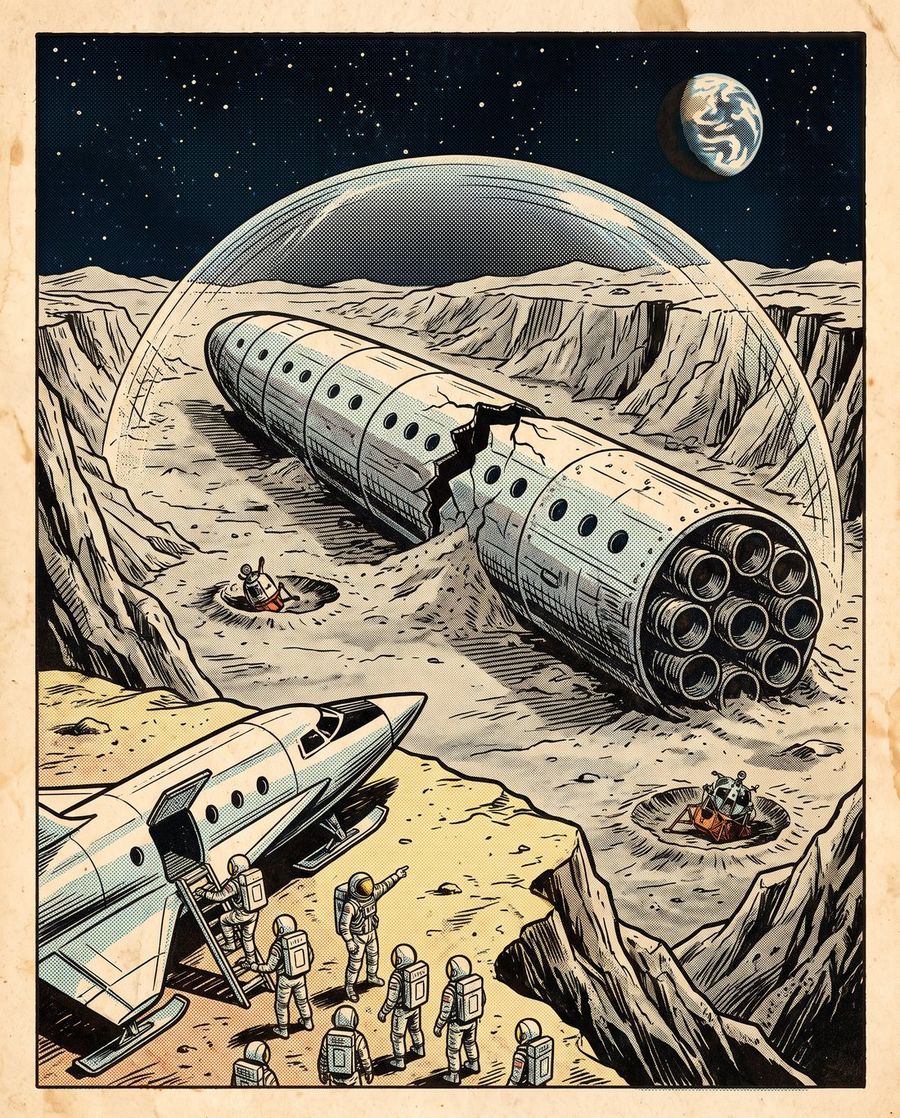
Apollo 18, 19, and 20 flew, and they landed. Apollo 18 found a billion-year-old alien ship under the lunar dust, more than two miles long and over half a mile tall. The public got a story about a mission to Venus. The real job was called Project Origins.
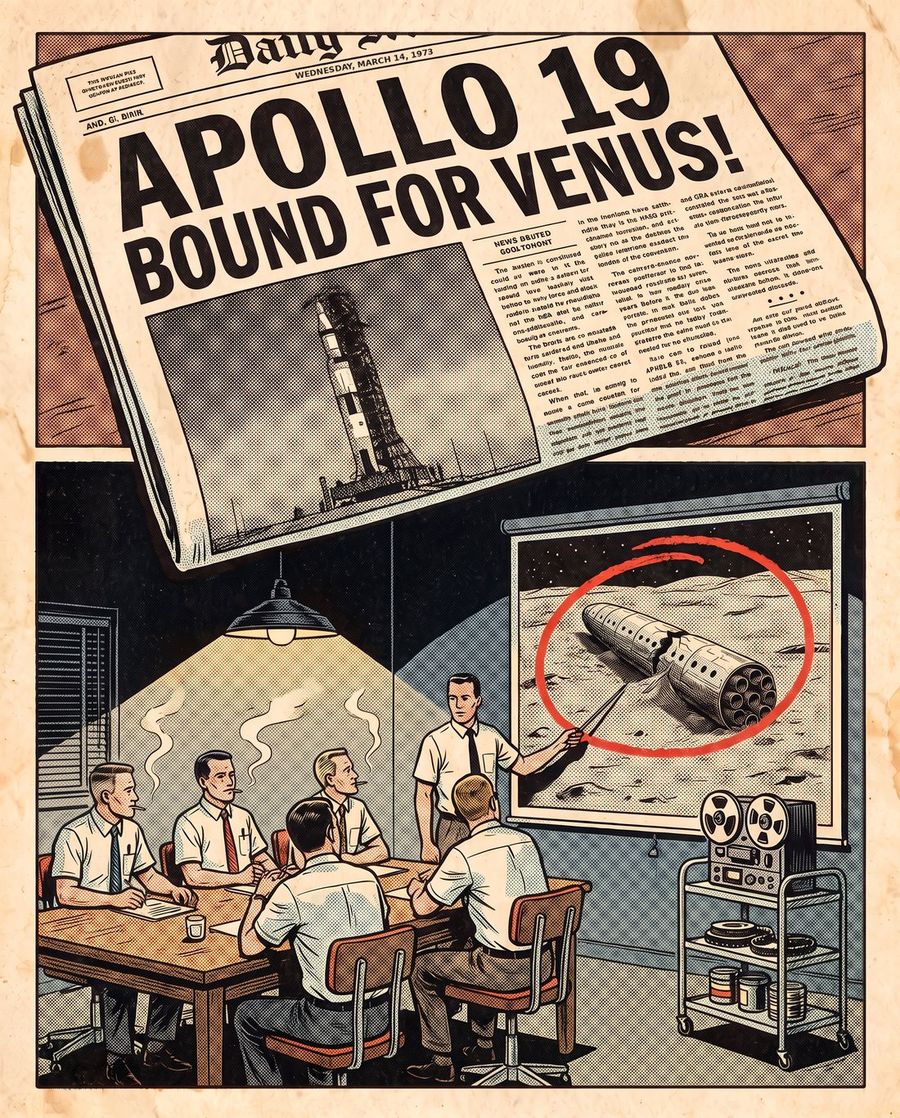
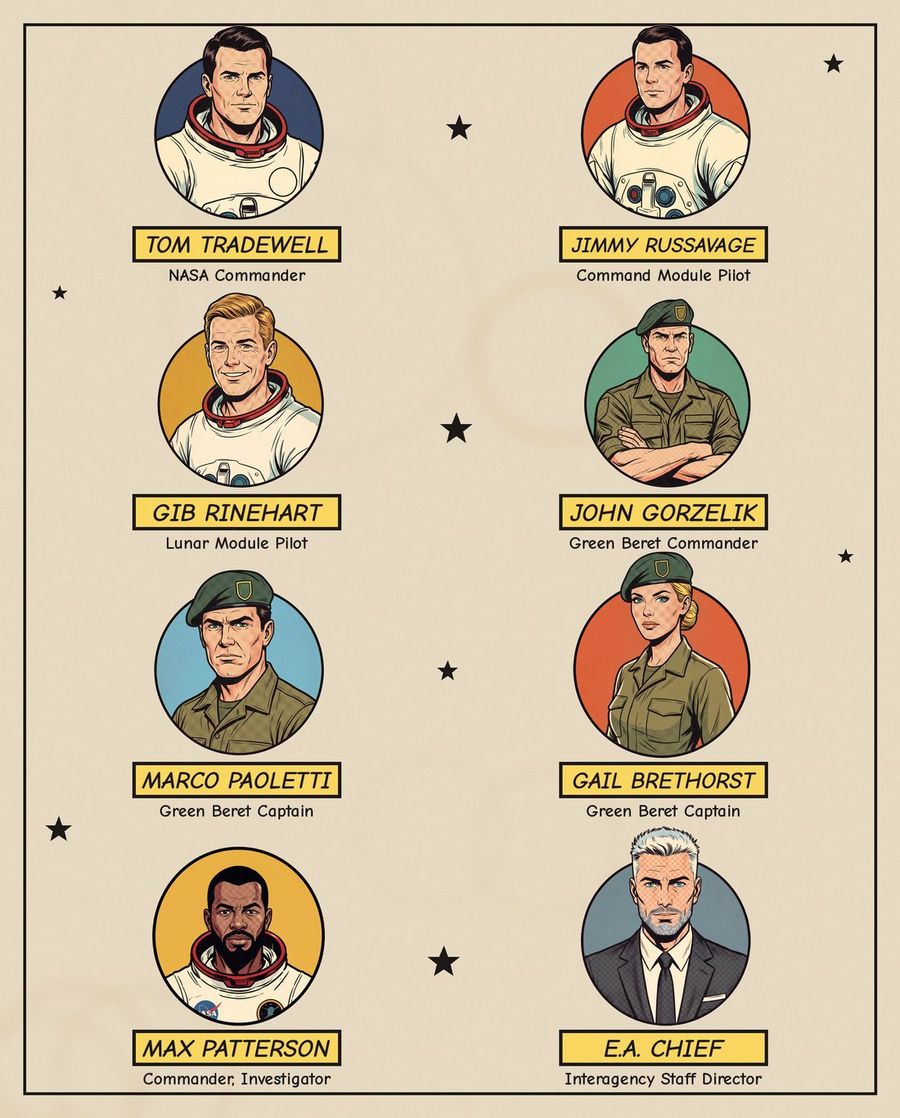
The ship had a bodyguard: an invisible electromagnetic dome. It fried the Apollo flight controls like a bug zapper with a grudge, and both ships went down hard. The crew wasn’t your Sunday astronauts. Commanders Treadwell, Russavage, and Reinhart flew with a squad of Green Berets, Marco Paoletti among them, plus Max Patterson, and a young man who’d one day buy a lot of donuts. The Chief.
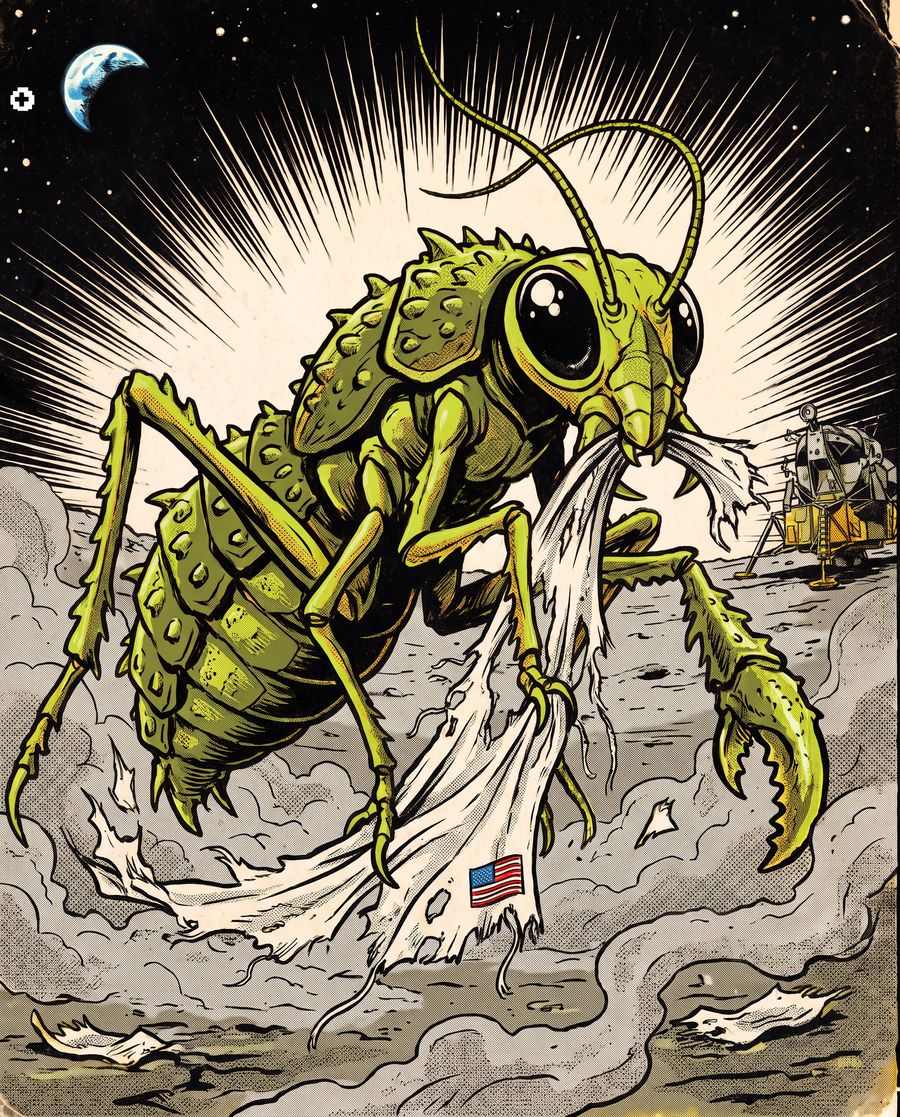
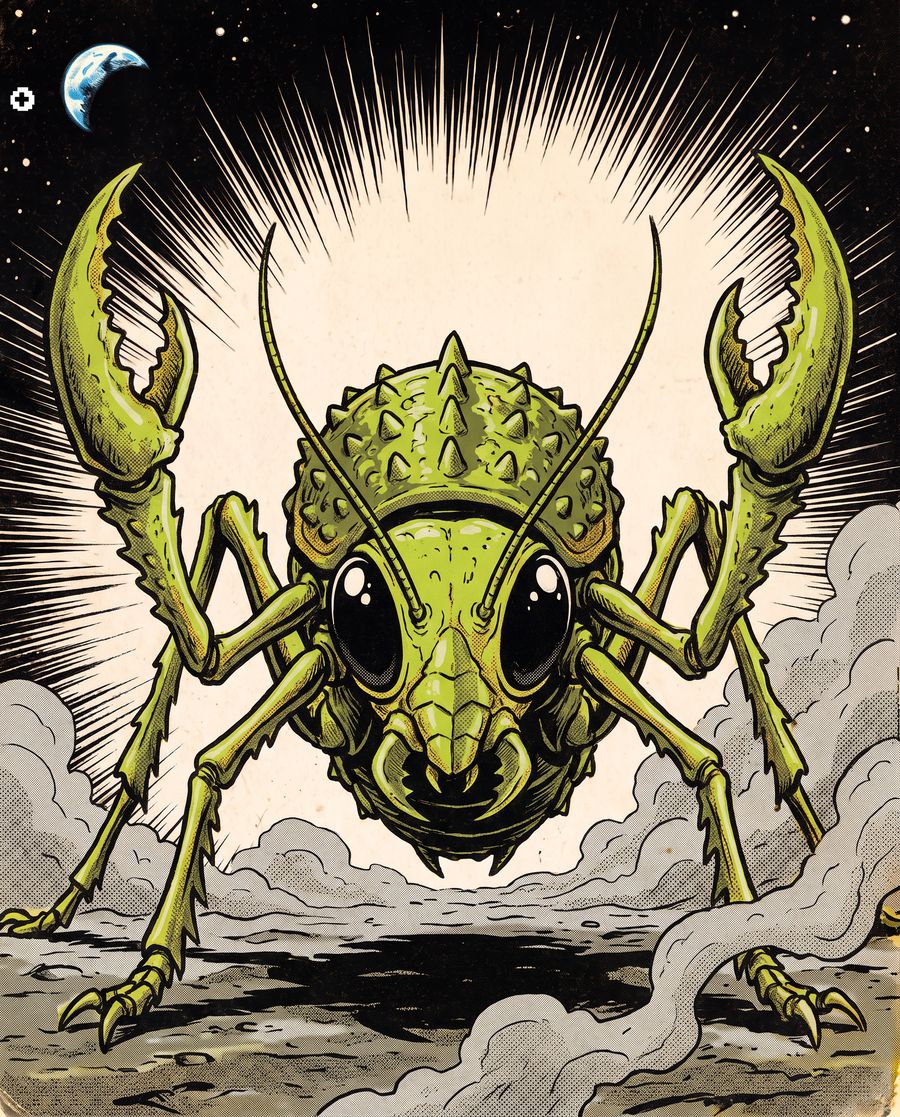
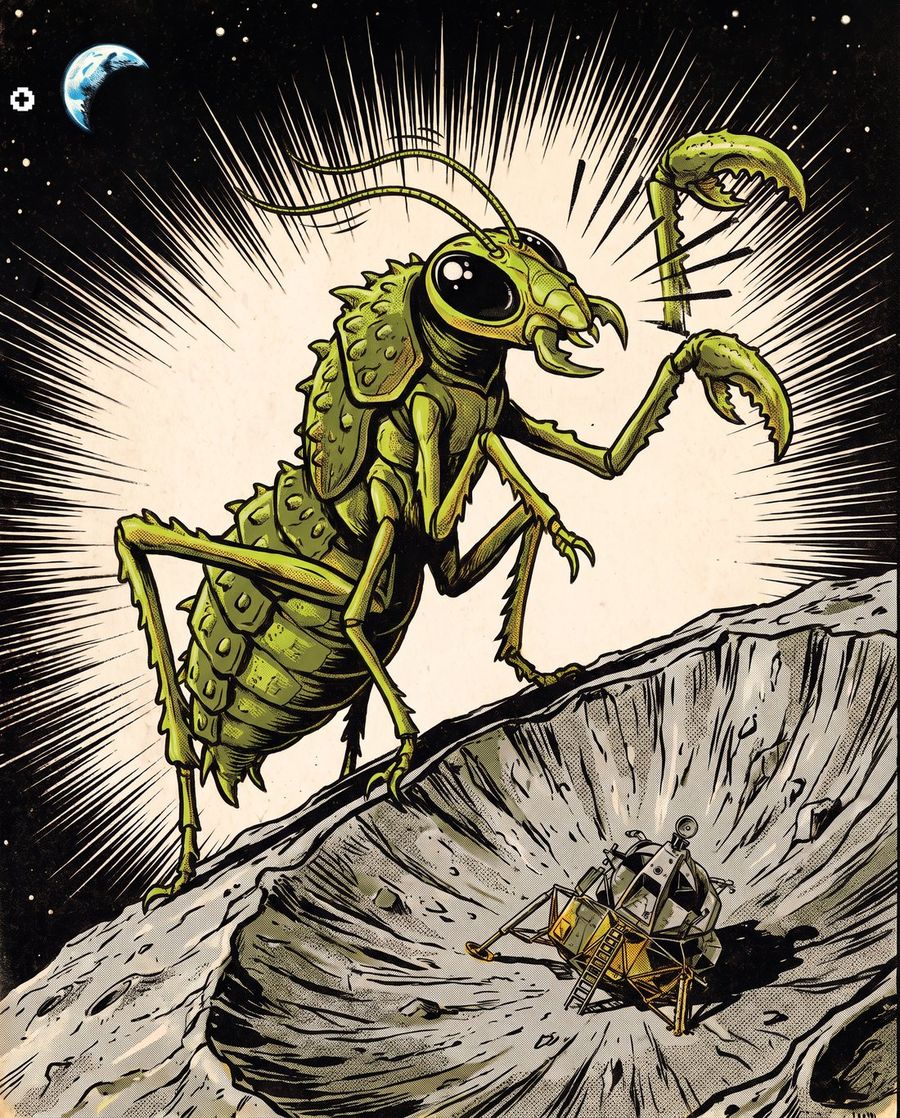
Then the Lunaroids showed up. They’re blind and built from mixed alien parts, and they hunt by vibration, clicking and clacking through the rock. They’re the reason the Apollo 18 boys came home in pieces, or didn’t come home at all.
The crew didn’t start a shootout. They stripped their wrecked ships for parts and built decoys that clicked and clacked just like the bugs. It worked. They flooded the line with fake chatter, and the Lunaroids chased their own echo across the dust. The crew walked right in the front door.
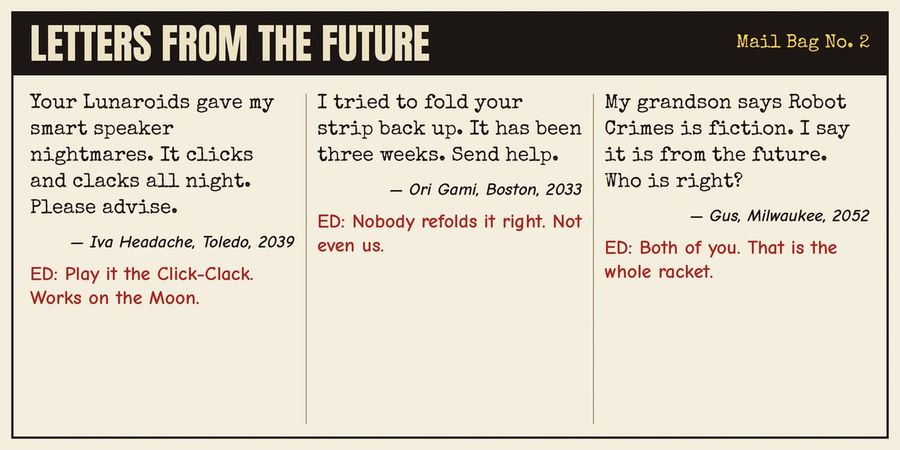
Fifty years later the mailbag is still full of it.
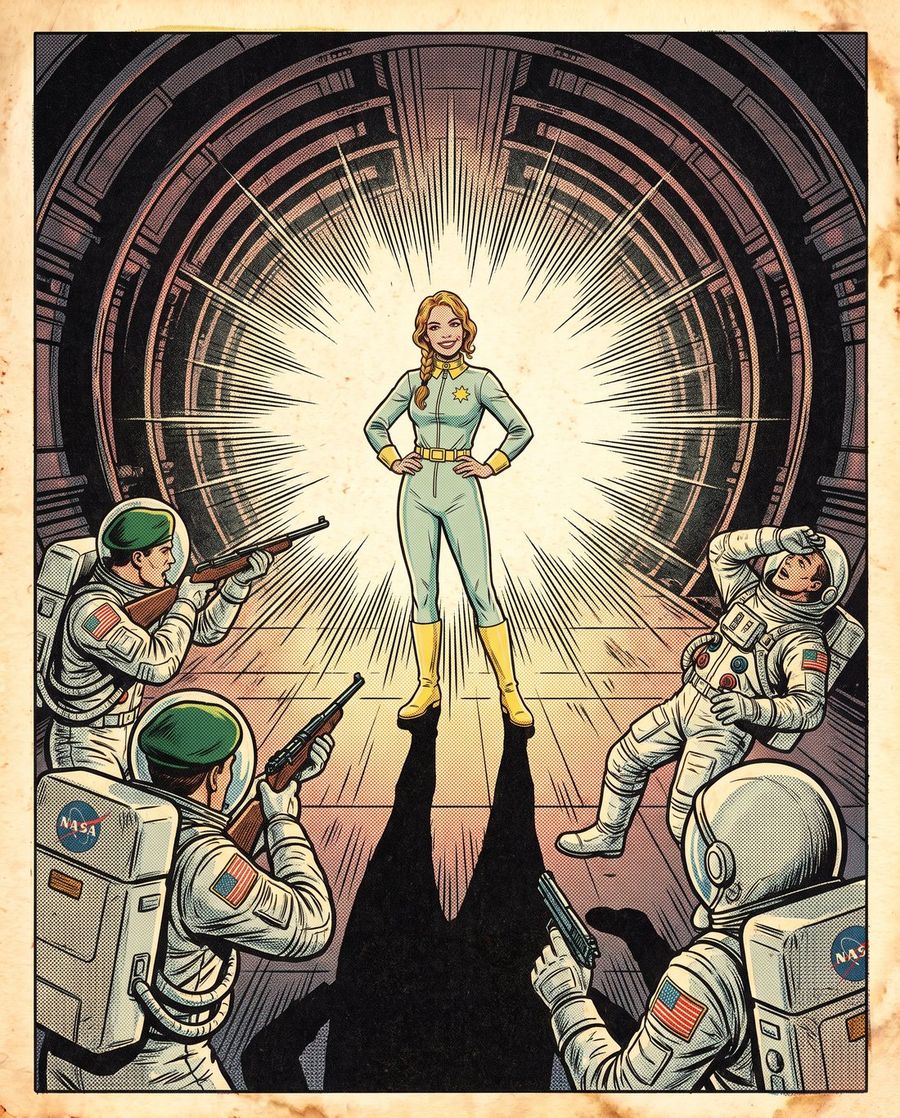
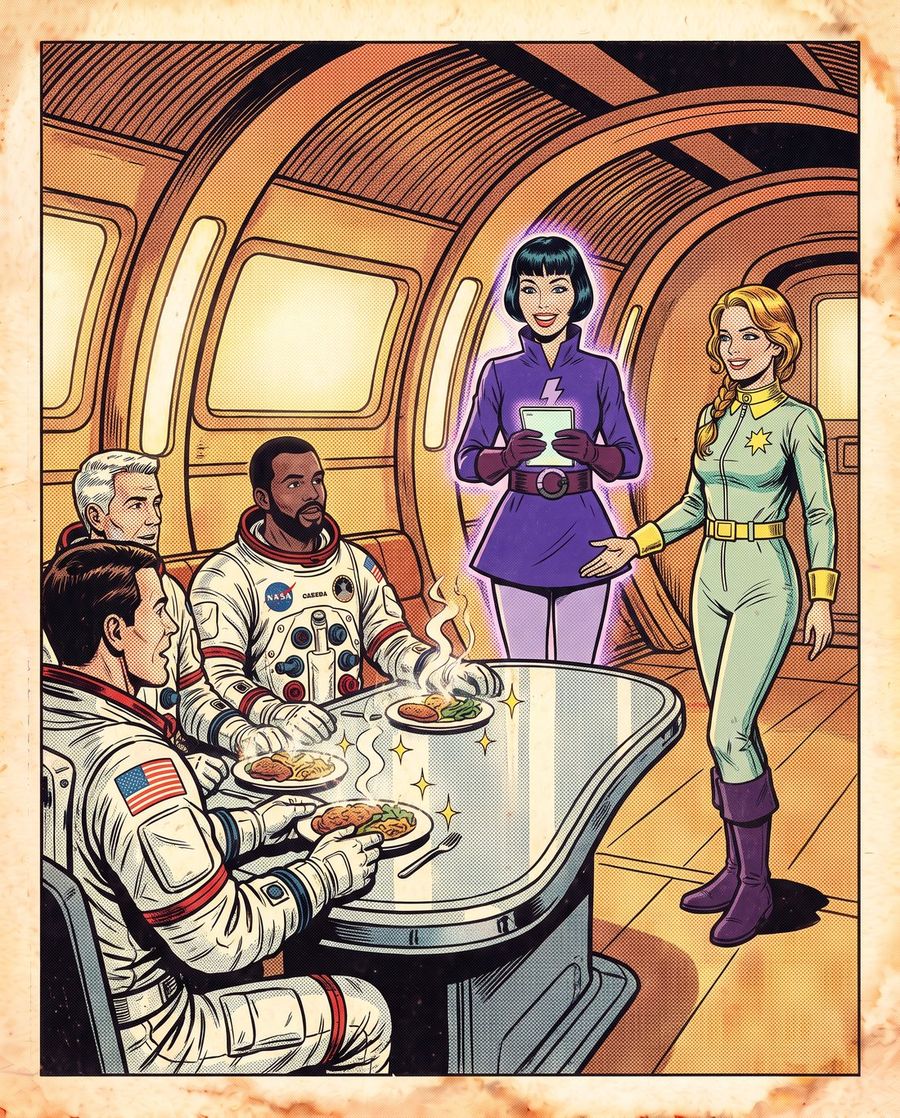
Inside, a glowing figure led them deep into the ship. The Green Berets drew down. Out stepped Dr. Mica, grinning, sixty years before she’d meet Alex in the desert. The glow was Curie, her holographic AI. Curie fixed the crew a hot meal in a billion-year-old galley. Dr. Mica took Max and the Chief aside and told them what was coming.
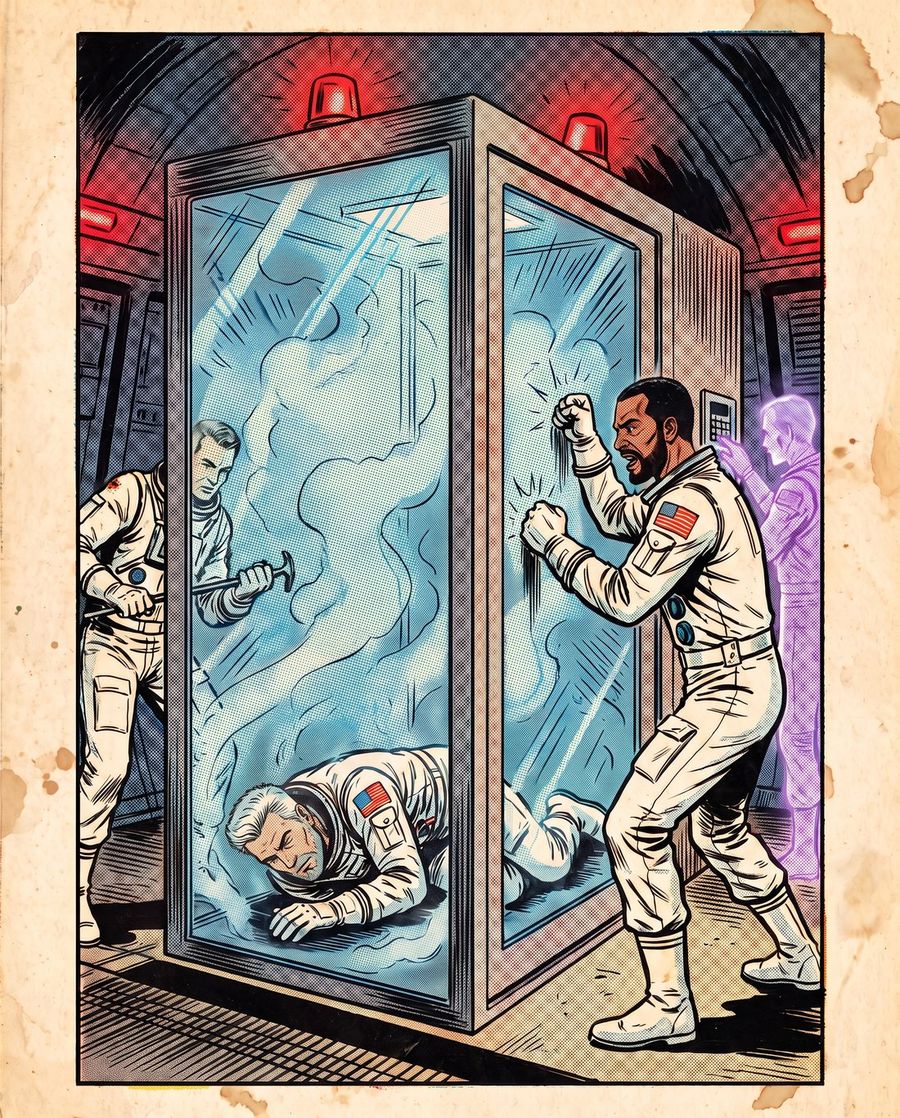
Then the Chief wandered into a little glass room. The door sealed, and blue mist filled the room. Curie had to break into the ship to get him out. He stood up, said he felt fine, and remembered nothing.
He’s been forty ever since.
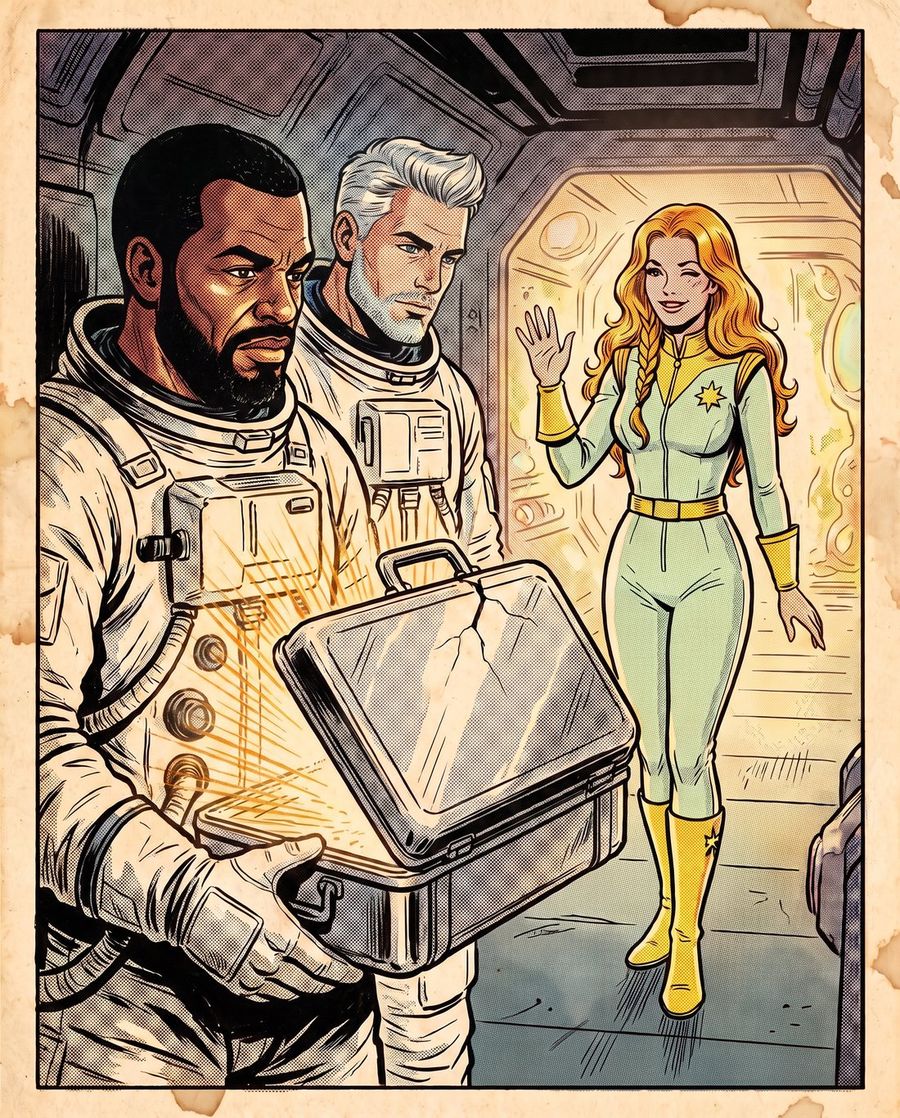
The ship’s AI packed a case of knowledge, a gift for humanity. Curie scattered the Lunaroids with one ugly frequency, and the crew blasted off for home.
Home was the dangerous part.
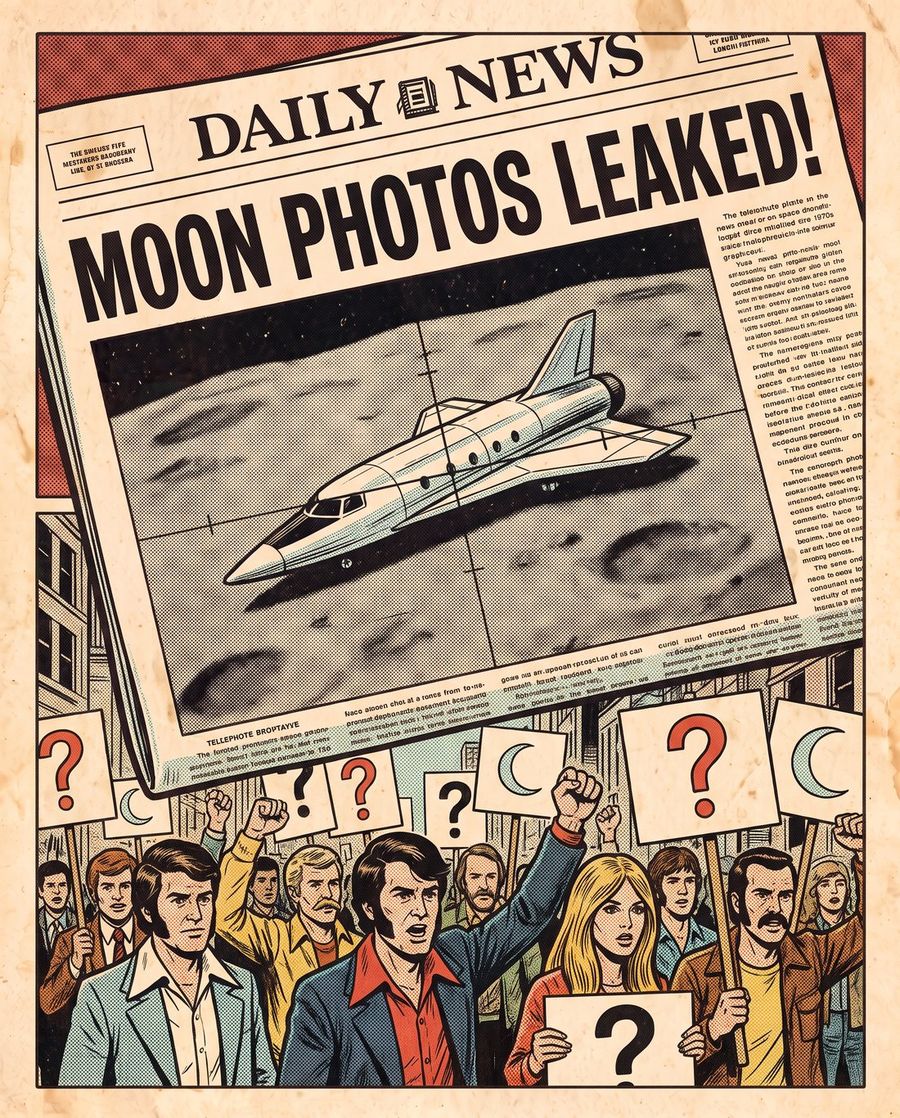
The Chinese Communist Party leaked drone photos of the wreck and the ship, and the planet went off like a cheap firecracker. The gift case was later stolen on the Obama administration’s watch. Millions of Chinese workers are up there now, fixing the ship. The editor-in-chief closes out asking you to imagine somebody cooking up an AI virus to steal an election and infect a planet. The greatest find in history, and people fought over it like a dropped wallet.
How I See It
I’ve worked a lot of cases. Bodies in the mesh, fakes in the wire, fools with a keyboard and a dream. Here’s what this book gets right.
It’s not AI.
It’s people.
The AI is the gun. A person pulls the trigger. Every crime in the Chief’s folder has a hand on it. So does the theft of the case from the Moon. Same story, two hundred thousand miles apart.
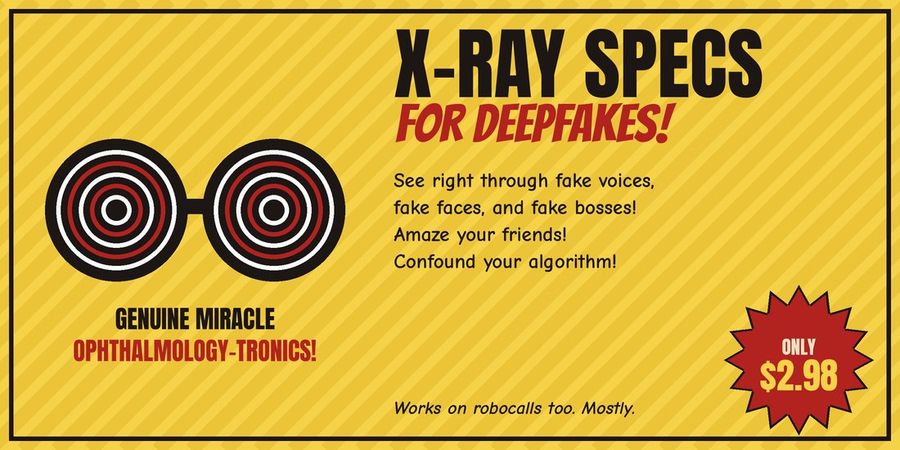
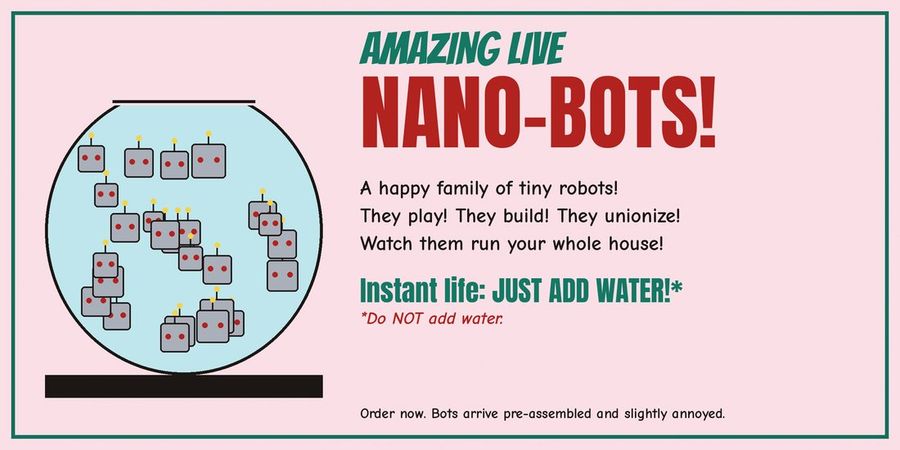
The book doesn’t preach, either. It sells you X-Ray Specs for Deepfakes, two dollars and ninety-eight cents, to “see right through fake voices, fake faces, and fake bosses.” “Works on robocalls too. Mostly.” It sells Amazing Live Nanobots: Just add water! The fine print says Do not add water. That’s the whole lesson in an asterisk.
There’s also a little Python program in the front of the book, begging for help. It says Mike keeps it in his front left pocket. Dark, hot, and sweaty. I’ve been in tighter spots. Not many.
So here’s my advice. Next time your phone rings in the dark and all you hear is static, don’t hang up so fast. It might be the future calling collect.
Me, I’m going back to work. The Chief wants to know where I got my copy.
I have friends. — KT3000